Strength training often earns its stripes among fitness enthusiasts for sculpting the body, but it also carries deeper benefits—particularly when it comes to metabolism and longevity. Not only does it contribute to a more robust metabolism, but carrying muscle mass is crucial for reducing fall risk in older clients—a key aspect of maintaining both independence and quality of life.
Understanding Metabolism and Muscle Mass
Muscle mass doesn’t just look good; it’s a metabolically active tissue that burns calories even at rest. The onset of natural aging processes, typically starting in your 30s, leads to gradual muscle loss, known as sarcopenia. This muscle decline results in metabolism slowing down, meaning fewer calories are required to maintain weight, often leading to unwanted weight gain.
Strength training actively combats sarcopenia by preserving and even building muscle. Each pound of muscle burns approximately six calories per day at rest compared to two calories for fat. Therefore, incorporating strength training into your routine can significantly enhance your metabolic rate, allowing you to burn more calories throughout the day. This isn’t just theory—a 2015 study published in the Journal of Applied Physiology indicates that people who engage in regular strength training have higher resting metabolic rates than those who don’t.
The Longevity Edge of Strength Training
Strength training isn’t just beneficial for young athletes. Its importance magnifies as we age. A well-rounded program that includes weightlifting supports not only your metabolic health but also promotes longevity. How, you ask? By building body resilience.
A comprehensive study published in the BMJ revealed that regular physical activity, specifically activities including strength exercises, is associated with a 30% lower risk of early mortality. Muscle strength, intriguingly distinct from cardiovascular capacity, plays a unique but critical role. It aids in maintaining functional abilities, reducing risks of injuries, and easing chronic conditions like arthritis.
For older adults, retaining muscle means remaining active longer. Complicated physical tasks become easier, daily activities feel less demanding, and independence is preserved longer, creating a greater quality of life.
Reducing Fall Risk in Older Adults
Falls are one of the most significant factors affecting older adults’ independence and health. Unfortunately, falls can lead not only to physical injuries but also to a decline in confidence and further activity—they create a vicious cycle. Strength training can dramatically reduce this risk.
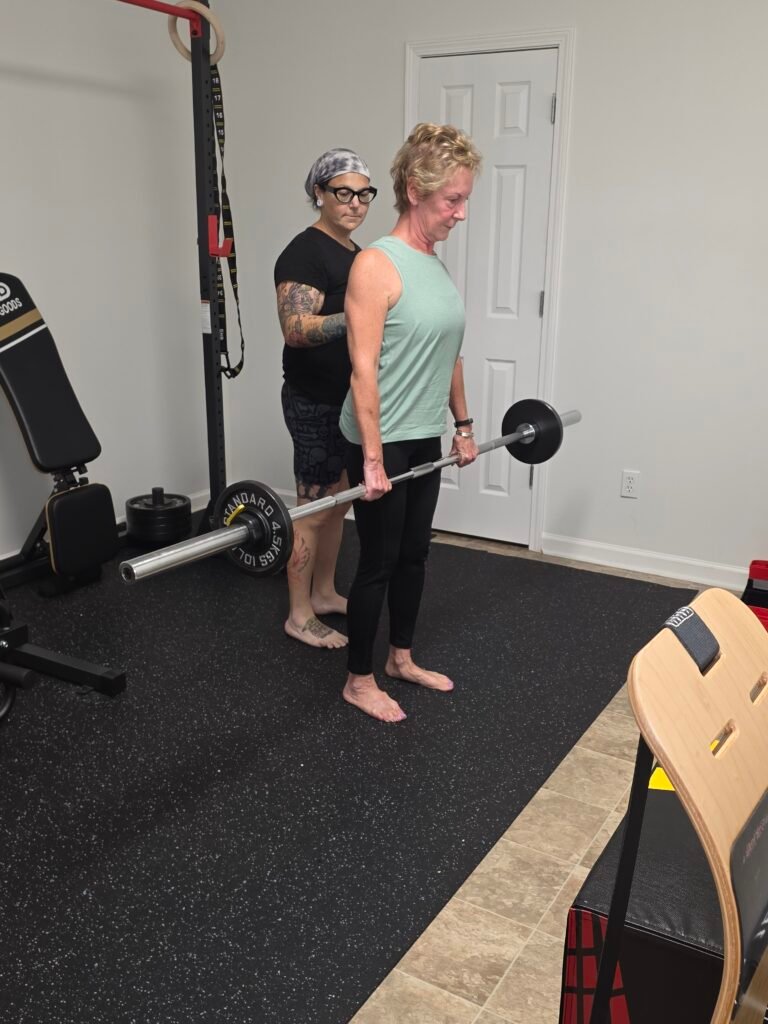
When muscles are strong, they better support the joints and balance, offering stability that guards against falls. Strength training improves coordination and the ability to efficiently use muscles during movements. An article by the National Institute on Aging points out that exercises targeting legs, lower back, and core—like squats, lunges, and deadlifts—are specifically effective in enhancing balance.
Moreover, research shared in the Journal of Strength and Conditioning Research highlights that older adults who engage in regular strength training programs experience fewer falls and reduced their risk for fall-related injuries by up to 50%.
All the Underrated Benefits of Muscle
Besides metabolism and fall risk reduction, carrying muscle has numerous other health advantages that contribute to overall well-being. Muscles help regulate blood sugar levels, combat insulin resistance, and improve cardiovascular health. This is because muscle tissue uses glucose, providing better control over blood sugar levels and improving insulin sensitivity.
Furthermore, muscle mass impacts mood and mental health positively. The physical exertion during strength regimes releases endorphins—natural mood lifters. Consequently, engaging in such workouts can alleviate symptoms of anxiety and depression.
For anyone experiencing joint pain, building muscle provides another much-needed benefit: support for affected joints. This alleviates pressure and pain, enabling increased mobility and comfort in everyday life.
Why Muscle Is Critical for Aging Well
The conversation around muscle and aging often centers on aesthetics, but the true benefits are more profound. Building and maintaining muscle is an investment in your future health. It’s a vital component for anyone looking to age gracefully and maintain a high quality of life.
Strength training’s multidimensional benefits—boosting metabolism, enhancing longevity, minimizing fall risk, and supporting whole-body health—are powerful reminders of why it should be part of every health regimen. Whether you’re pushing weights, using resistance bands, or engaging in body-weight exercises, the key is consistency and progression.
Actively incorporating strength training into our lives helps us move better, feel stronger, and live longer. Aging becomes less an inevitable decline and more a stage of life to fully embrace with vibrance and resilience.
Committing to a Healthier Lifestyle
In conclusion, investing time in strength training yields invaluable dividends. By fostering strength and muscle mass, we not only combat negative effects associated with aging but also improve our overall quality of life. Taking the step towards a healthier lifestyle is a decision that can transform your journey through life, allowing for sustained independence and vitality. Engage in strength training, embrace a dynamic lifestyle, and ensure your future self thrives.
If you’re new to strength training or considering adding it to your routine, consulting with a fitness professional can be an excellent first step. For more guidance on fitness programs tailored for you, check the resources available at Viva Health Studio.