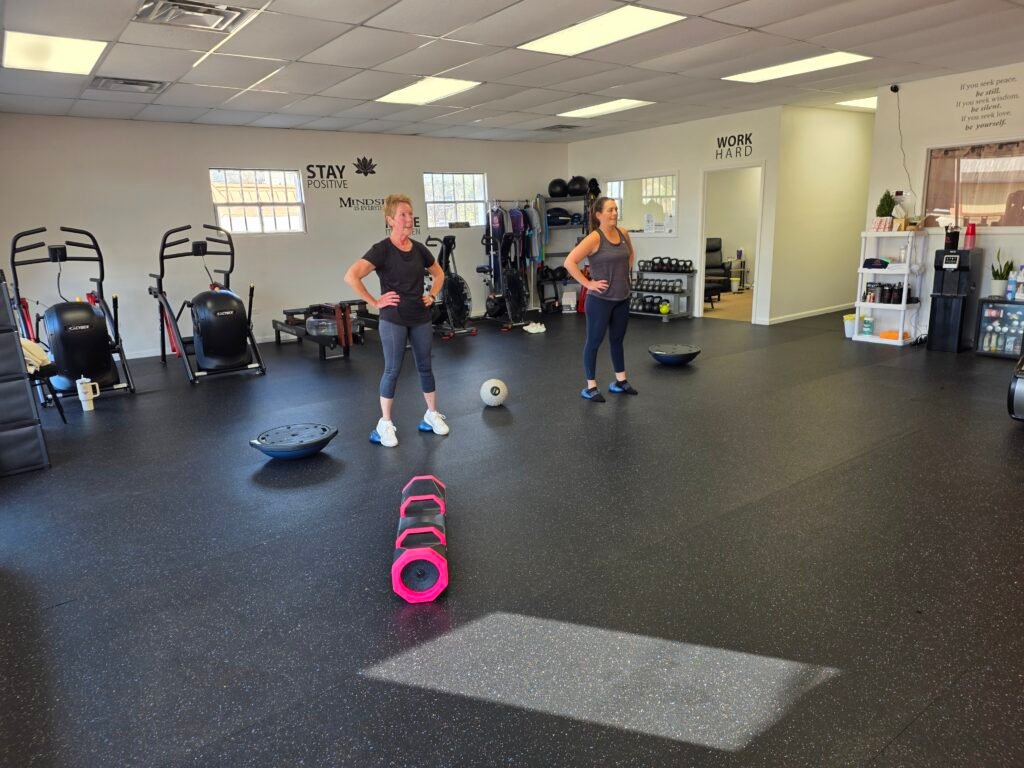
Strength training isn’t just for the young gym enthusiasts; it’s crucial for aging adults aiming to maintain independence and vitality. Research underscores its role in reducing fall risks, which are a leading cause of injury among seniors. Muscles deteriorate rapidly without regular movement, making strength training a non-negotiable part of healthy aging.
The Role of Strength Training in Fall Prevention
Let’s start with a sobering statistic: Every year, an estimated 36 million falls occur among older adults, leading to about 32,000 deaths. These figures from the Centers for Disease Control and Prevention highlight the serious risks involved. However, the good news is that regular strength training can significantly lower these risks. By enhancing muscle mass, coordination, and balance, older adults can enjoy improved stability and confidence in their movement.
Moreover, it’s not just about preventing falls; strength training also aids in quicker recovery should a fall occur. When muscles are stronger, they better absorb shocks, protecting bones and joints. Muscle strengthening exercises, such as leg presses, squats, or even simple chair stands, help build the core and lower body strength necessary for sustained balance.
The Biological Benefits of Muscle Strength
Muscles play a vital role beyond mobility. They act as metabolic powerhouses, burning calories and maintaining metabolism even at rest. As we age, natural muscle loss—known as sarcopenia—sets in, typically resulting in up to a 3% drop in muscle mass per decade after age 30. This can accelerate after age 60 if not proactively managed through strength training.
The loss of muscle doesn’t just weaken the body; it also contributes to decreased bone density, poor posture, and increased body fat, which collectively increase fall risk. Strength training combats these issues. It stimulates muscle protein synthesis, promotes bone density, and boosts caloric expenditure, potentially decreasing the risk of obesity-related diseases.
The Consequences of Inactivity in Aging Muscles
Unfortunately, the adage