
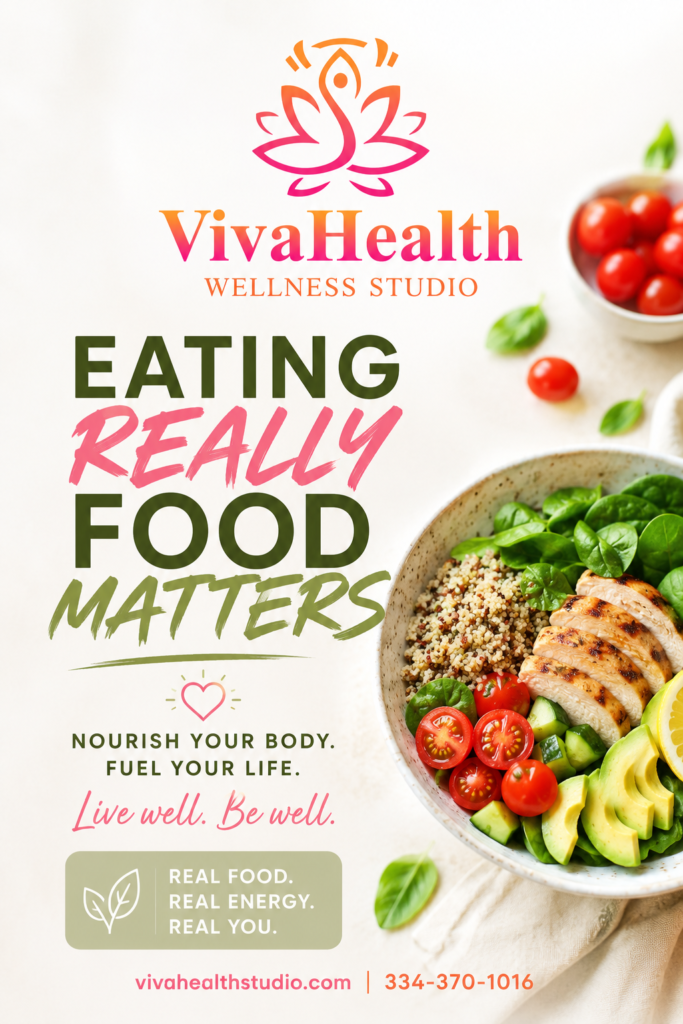
The way we eat profoundly influences our health, yet many of us overlook the impact our dietary choices have. Eating real food—unprocessed and nutrient-rich—serves as genuine fuel for the body. Meanwhile, the consumption of seed oils and processed ingredients can lead to addiction and sustained poor health.
Why Real Food is Genuine Fuel
Real food—those ingredients that come from plants or animals without significant alteration—provides essential nutrients that keep our bodies running optimally. Fresh fruits, vegetables, nuts, seeds, fish, and lean meats are sources of carbohydrates, proteins, and fats that synthesize to provide energy and support bodily functions.
Each macronutrient plays a vital role. Carbohydrates are converted into glucose, furnishing cells with energy. Proteins repair tissues and build muscle mass. Fats, particularly healthy ones from sources such as avocados and nuts, maintain hormonal balance and support cell function. Real food delivers these essentials in their natural forms, supporting the body’s intrinsic processes without the drawbacks of artificial additives.
Yet, we live in a world where, surprisingly, many don’t understand the difference between a carb and a protein, or that fats are crucial for hormone health. This nutritional ignorance can lead to choices that undermine health.
The Threat of Processed Ingredients
Processed foods are modified through artificial means to make them shelf-stable, palatable, and often, more addictive. This includes the addition of sugars, preservatives, and hydrogenated oils, often drawn from seeds like soy or corn. These seed oils are found in countless products, from crackers to salad dressings, due to their cheap production and long shelf life.
However, these ingredients can wreak havoc on health. They are high in omega-6 fatty acids, which, in excess, are inflammatory and linked to chronic diseases like heart disease and diabetes source. Hydrogenated oils can increase bad cholesterol levels and decrease good cholesterol, impacting heart health negatively. Additionally, the prevalence of high-fructose corn syrup in processed foods keeps us reaching for more, without realizing the cycle of addiction being fueled.
Food as Medicine or Poison
Hippocrates once said, “Let food be thy medicine, and medicine be thy food.” This ancient advice still rings true today. The nutrients found in real foods have the power to heal, bolster immunity, and prevent diseases. For instance, antioxidants in fruits and vegetables protect against cellular damage, while omega-3 from fish can reduce inflammation source.
Conversely, a diet rich in processed foods does the opposite. Many processed and packaged foods are devoid of fiber, essential vitamins, and minerals, leading to deficiencies that can manifest in fatigue, weakened immunity, and increased risk of chronic illness. Processed foods can also disrupt the gut microbiome, crucial for digestion and overall health.
Unveiling Nutritional Blind Spots
Many are unaware of how food compounds are categorized—proteins, carbs, and fats—and the critical roles they play. Carbohydrates are often feared in diets, while proteins are over-celebrated without understanding their balance with other nutrients. Fats are stigmatized as unhealthy despite their necessity for hormone synthesis, as well as energy storage and utilization.
Navigating the maze of misinformation requires vigilance. Knowing how to read nutrition labels, recognizing harmful ingredients, and understanding caloric density versus nutritional density are essential skills for making informed dietary choices. For tips on choosing healthier options and guidance in understanding macronutrients, visit our comprehensive health services overview.
Building a Healthier Future
Transitioning to a diet rooted in real foods can transform health outcomes, enhance energy levels, and improve overall well-being. By taking incremental steps—swapping seed oils for olive or coconut oil, choosing whole grains over refined ones, and opting for natural sweeteners like honey—you can begin to detox from the sugars and trans fats that monopolize typical diets.
The journey towards better health through real food isn’t restrictive; it’s liberating. It’s about eating intuitively and mindfully, recognizing the body’s needs, and honoring them with nourishment devoid of chemical manipulation.
So next time you’re faced with a choice between processed convenience and fresh ingredients, consider the long-term effects your choices have. After all, real food is the fuel that powers both body and mind.
Making the Change
Acknowledging the truth behind how our dietary habits affect our health is the first step. Embrace the change towards consuming more real food, understanding the nutrient makeup, and debunking nutritional myths. The power to transform your health lies in your daily choices, in your hands, each time you plan a meal.
Allow the insights from this discussion to guide you toward more informed and health-conscious decisions. Explore the world of real food, re-learn what’s natural, and feel the difference it makes. Start today with small, deliberate choices made with clarity and confidence, for a healthier, more vibrant life.